
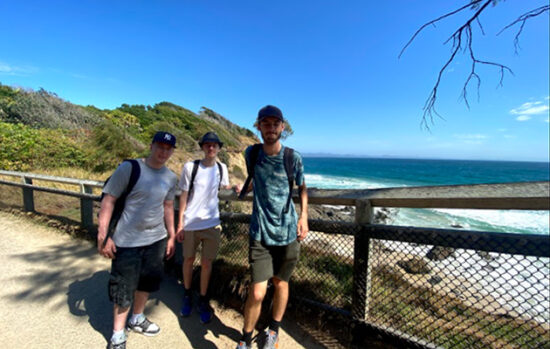
We had the opportunity to be featured in an article at Hireup’s news and features platform. Involving our thoughts around “How to plan your next accessible adventure”
First up, what is Travengers and why was this an organisation you wanted to create?
Travengers AU is a travel service for young adults (15-35’s) who are autistic, or have hidden disabilities such as mild intellectual disabilities.
By organising social groups and group travel, to places like Byron Bay, Tasmania (and as soon as possible overseas) – young adults get a chance to connect with like-minded people. Kind of like Contiki with support! We also run weekly social group events and a Virtual Travel Group online. Our travellers are independent in many ways, while they may need social and emotional support in some areas.
I started Travengers in frustration, really. Growing up, I saw how my younger autistic sister was misunderstood and left out for being different. She’s funny, clever and awesome, but because she didn’t fit the norm she was left out socially, and because of lack of knowledge, she didn’t get the right support. I’m from Norway originally, and I could travel the world. Whilst my sister didn’t have friends to travel with, or the support to do so. I’m a disability nurse and throughout 11 years working with people with disability, I met many others people struggling with the same things.
When I moved to Australia I supported a young man who just wanted to have friends, a job and to travel. And I realised how unfair it was! I figured that by connecting young adults to travel, not only could they build social connections and be empowered to live life, but at the same time we could educate others about hidden disabilities through our travels.
Now, after covid and limited access to travel and social life – I guess we can all see the importance, right?
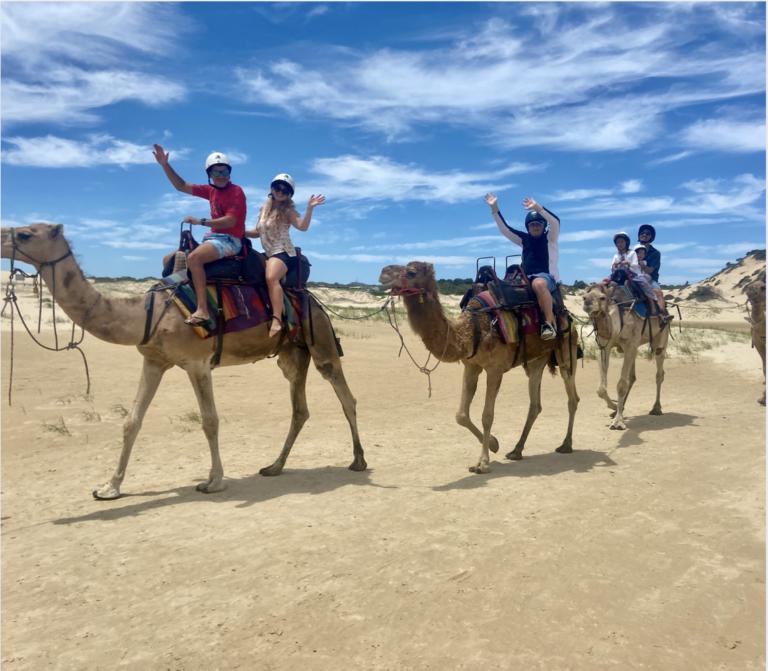
When a lot of people think about ‘accessibility’, they think about ramps. What are the accessibility considerations you need to take into account when planning trips for your community of people with autism and hidden disabilities?
Although wheelchair access is important, disability and accessibility includes so much more. One in five people in Australia have a disability, 80%-90% are hidden disabilities. And approximately 1 in 70 are autistic.
For some autistic people, knowing what to expect is important. We create visual itineraries, and allow travellers to download their itinerary in an app on their phone to keep track of what’s happening next. We add full links to our accommodation for them to be able to see every room. We give them a detailed packing list, which also includes items that can help anxious travellers.
When we choose accommodation, we consider the room options and room allocation of the travellers, as some may require more space. We take downtime and breaks into account in the itinerary. Our staff are given autism training and tips from people with lived experience.
When travellers register we ask if they have any sensory sensitivities or strategies so that our guides know how to best support them. Other things we consider are sensory experiences, such as noise and heat, and busy environments. We also have noise cancelling headphones travellers can request to borrow for trips.
We create different styled trips and events to accommodate different interests. Some want action and fun, while some are craving a social but quiet getaway in nature, with cooking, board games, walks, surrounded by bush or the ocean.. So for example we have one trip to the Gold Coast with Supanova and Movie World, and another to explore the Great Ocean Road or Kangaroo Island.
We also have local trips outside of Sydney for those who do not yet feel confident with long trips, and weekly social events for those who don’t feel confident with overnight trips yet – or who just want to be more social.
Sometimes there’s a need for accommodations, while some go with the flow. Everyone is different. We also consider group sizes and group matches, and we have a weekly Virtual Travel Group, where participants can meet others who are travelling and learn about destinations – which can help in knowing what to expect. During trips we do skill building activities, as a goal of many is building independence and might want to travel independently one day.
There are plenty more things to consider, and we continue to learn from our travellers and others in the autistic community. Other hidden disabilities can be mental health challenges, ME, epilepsy and much more, so there are a lot of things to unpack.
What questions do you ask of accommodation/hospitality services when planning an accessible trip?
Some things we often ask about are noise and quieter spaces. We may ask about expected wait times, especially if someone has ADHD. We also ask if they accept companion or concession cards, and ask them about their cancellation policy, especially for anxious travellers.
We usually tell them who we are and what we do. Some are very accommodating, while some are sceptical.
We’ve experienced some tourism providers being hesitant, but then after we’ve been there they couldn’t wait to have our group back, which is always a win!
This way we aim to educate tourism providers.
Generally, an accommodating attitude is the most important thing we ask for.
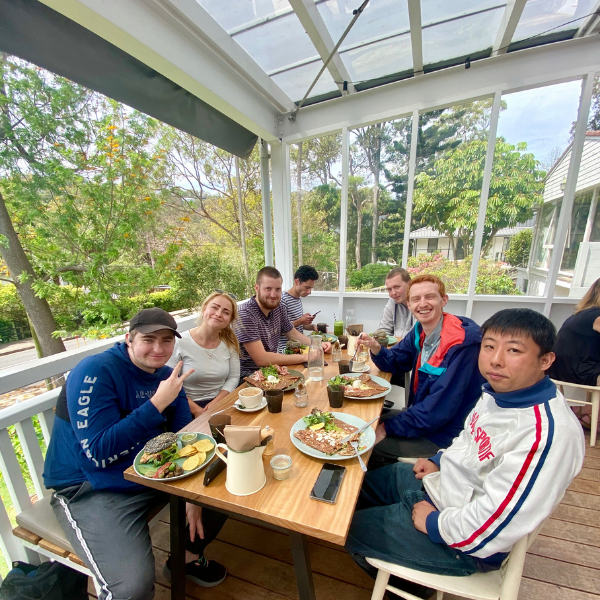
What questions do you ask of accommodation/hospitality services when planning an accessible trip?
Some things we often ask about are noise and quieter spaces. We may ask about expected wait times, especially if someone has ADHD. We also ask if they accept companion or concession cards, and ask them about their cancellation policy, especially for anxious travellers.
We usually tell them who we are and what we do. Some are very accommodating, while some are sceptical.
We’ve experienced some tourism providers being hesitant, but then after we’ve been there they couldn’t wait to have our group back, which is always a win!
This way we aim to educate tourism providers. Generally, an accommodating attitude is the most important thing we ask for.
Are there any particular holiday experiences/events that you’ve found to be very accommodating and inclusive of your community?
We once did an event to a Wizard’s Potion Mixing night, and they were super accommodating and included the group in the experience. But there have been plenty of positive experiences.
Many surf lesson providers have had a really positive attitude towards disabled or autistic travellers, with a great “no worries!” attitude.
And we love that of course!
