For most people, preparing for travel involves creating a checklist and itinerary. However, for neurodivergent travellers, what goes into a suitcase can make a real difference to how comfortable, confident and enjoyable the journey feels.
Everyone’s needs are different, and there’s no perfect packing list that works for everyone. The best checklist is one that reflects your preferences, routines and sensory needs. A little preparation can help reduce stress, make unexpected moments easier to manage, and leave more room to enjoy new experiences.
Here is a helpful checklist for neurodivergent travellers to consider before your next adventure.
Comfort Comes First
Travelling often means unfamiliar environments, changing routines and busy places. Packing familiar comfort items can provide a sense of stability wherever you are.
You might include:
A favourite hoodie or comfortable clothing
Noise-cancelling headphones or earplugs
Sunglasses or a hat for bright environments
A weighted lap blanket (if practical)
Fidget tools or sensory items
A familiar pillowcase or small blanket
These small items can make hotel rooms, airports, buses or shared accommodation feel much more comfortable.
Keep Everyday Routines Within Reach
Maintaining parts of your regular routine while travelling can make transitions feel easier.
Consider packing:
Medications in their original packaging
Daily vitamins
Toiletries you already know and like
A refillable water bottle
Favourite snacks for times when food options are limited
Sleep essentials such as an eye mask or calming playlist
Having familiar items available can reduce the number of decisions you need to make throughout the day.
Stay Organised
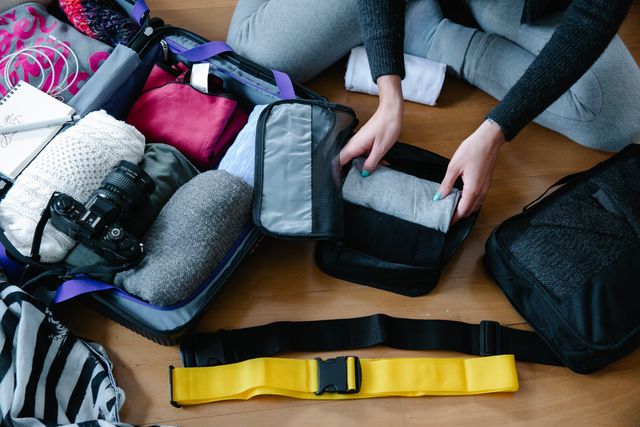
When everything has its place, it’s easier to relax and enjoy the experience.
Helpful organisation tools include:
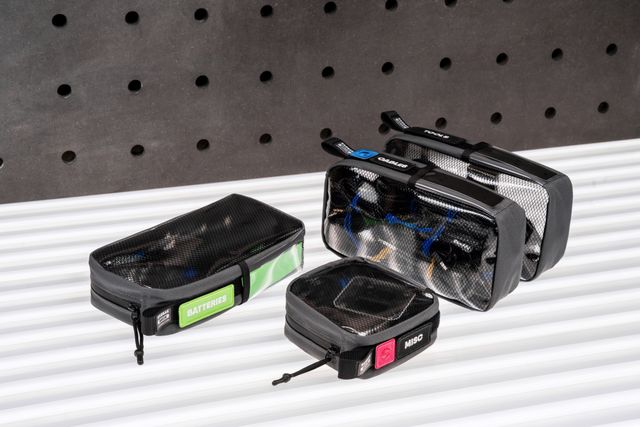
Packing cubes
Clear toiletry bags
Small zip pouches for chargers and cables
A printed itinerary
A checklist for packing and unpacking
Some travellers also like using colour-coded bags or labels to make finding things quicker.
Prepare for Unexpected Changes
Even well-planned trips can include delays or changes. Packing a few extra essentials can help you feel more prepared if plans shift.
Think about including:
A portable phone charger
Copies of important documents
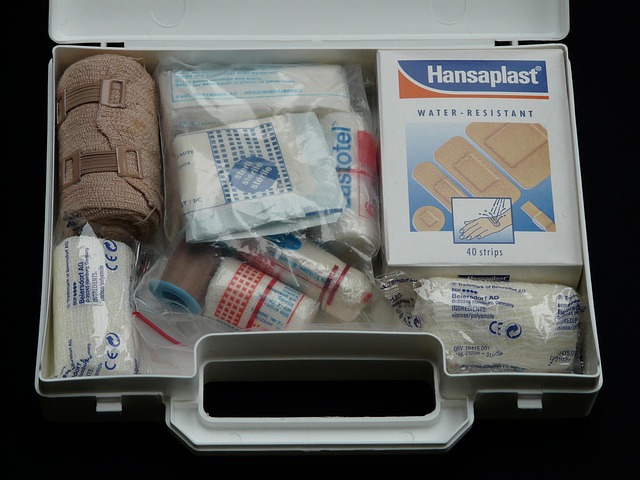
A small first aid kit
Weather-appropriate clothing
An extra change of clothes in your carry-on bag
Emergency contact details
Being prepared doesn’t mean expecting something to go wrong. It simply gives you more options if something changes.
Travel isn’t only about getting from one place to another. It’s also about enjoying the journey.
Bring something that helps you relax during quieter moments, such as:
A favourite book
Downloaded music or podcasts
A sketchbook
A travel journal
Games or puzzles
A camera to capture special memories
These activities can also provide welcome downtime between busy adventures.
The Ultimate Checklist for Neurodivergent Travellers
The most useful checklist for a neurodivergent traveller is the personalised one. After each adventure, take a few minutes to think about what worked well and what you’d pack differently next time. Over time, you’ll build a list that suits your travel style and supports your independence.
At Travengers, we know that confidence grows through experience, thoughtful preparation and having the right support around you. Whether you’re joining one of our short stays, interstate trips or overseas trips, packing with your own needs in mind helps create space for connection, discovery and memorable experiences.
We also want you to be well-prepared for every trip. We recently launched this Online Travel Training Program to equip our neurodivergent travellers with the skills to plan, book, and navigate the complexities of travel.